

A well-designed retaining wall does more than hold back earth, it elevates the appearance, functionality, and value of your property. Whether your backyard is sloped, prone to erosion, or you are seeking a creative landscaping solution, retaining walls offer both practical and aesthetic benefits. As you explore ways to enhance your outdoor space, understanding what goes into constructing a stable, attractive retaining wall is essential.
Key Reasons to Install a Retaining Wall
Retaining walls are not just for show. In the hilly and varied terrain of western New Jersey, property owners frequently face erosion, particularly during the rainy springs or following winter snowmelt. A retaining wall installation helps manage these challenges by:
-
Preventing soil erosion and managing water runoff around driveways, patios, or garden beds
-
Defining garden spaces or creating level areas for lawns, entertaining, or playgrounds
-
Enhancing curb appeal with structured, tiered landscaping or raised flower beds
Clients often request a wall to stop flooding on their downhill property edge, or to carve out a flat surface for a patio or fire pit.
Choosing the Best Materials for Your Wall
Selecting the right material is crucial for both function and style. In the Long Valley area, homeowners typically opt for the following:
-
Natural stone: Blends beautifully with the wooded NJ landscape and provides a classic, upscale appearance. It is especially popular for properties surrounded by mature trees or where a rustic look is desired.
-
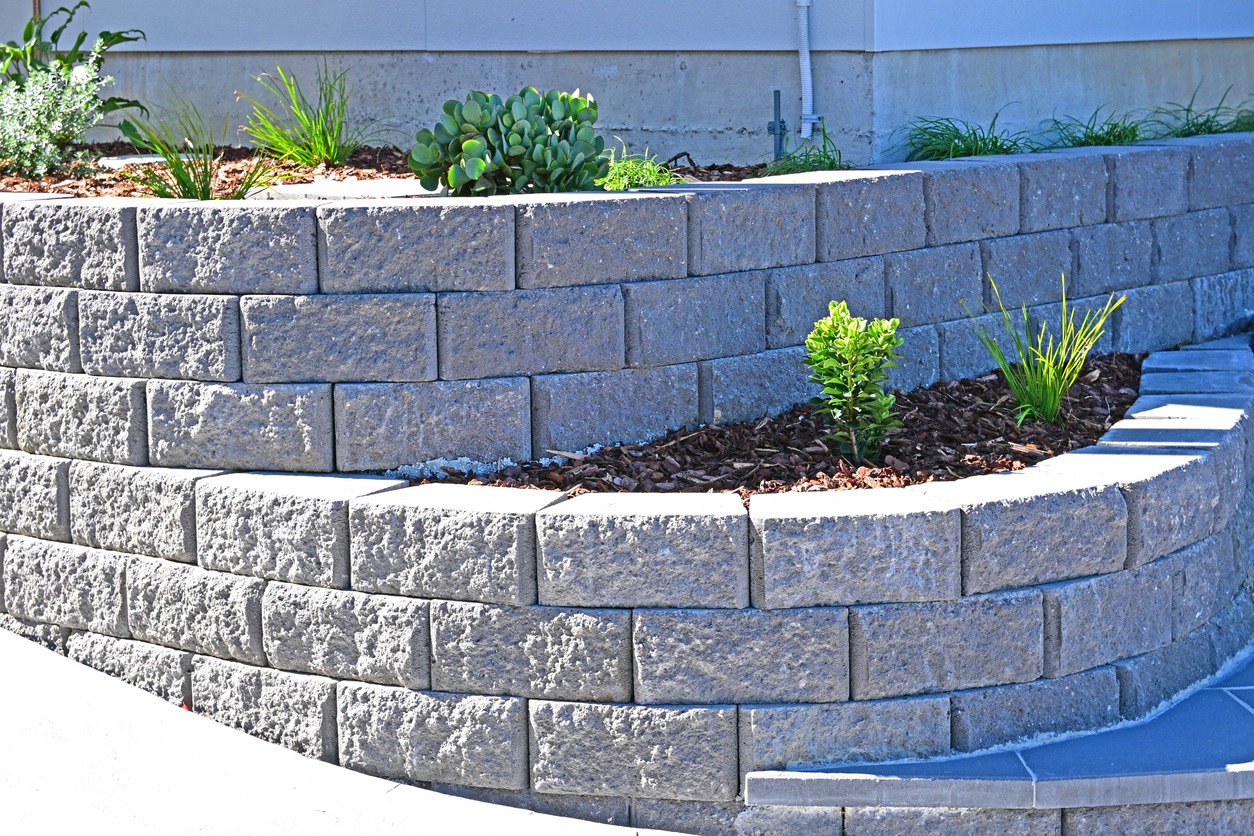
Concrete block: Offers excellent flexibility for curves and heights, and is more cost-effective for larger walls. Modern block systems can mimic the appearance of stone while providing solid structural support.
-
Brick or timber: Less common but suitable for smaller garden walls or accent features.
Climate plays a role as well; freeze-thaw cycles in New Jersey mean materials and construction methods must accommodate ground movement to avoid shifting or cracking.
Best Practices for Retaining Wall Construction
To ensure your retaining wall is both sturdy and durable, several industry best practices should be followed:
-
Conduct a thorough site assessment, including soil type and drainage requirements
-
Excavate and install a compacted gravel base to prevent settling
-
Include proper drainage solutions such as gravel backfill and perforated piping to direct water away from the wall
-
Step back or tier taller walls for added strength and reduced pressure
-
Consult professionals for walls over four feet high, as they may require permitting and engineering due to local building codes
A professionally built retaining wall in Morris County will last decades, withstand wet springs and snowy winters, and can be designed to complement any landscape style.
Retaining Wall Design: Blending Function with Aesthetics
The most appealing retaining walls are those that integrate seamlessly with a property’s landscaping and architectural features. Consider incorporating planter niches, built-in seating, or LED accent lighting to elevate the ambiance. Curved walls soften angular landscapes, while using a mix of stone and greenery provides a naturalistic effect. The design should complement both the home’s architecture and the natural surroundings for a cohesive appearance.
Ready to Enhance Your Property with a Retaining Wall?
For homeowners in Long Valley, NJ and surrounding areas, choosing the right partner for your hardscape installation project is key to long-lasting results. Galaxy Improvement LLC specializes in skilled retaining wall construction, blending practical engineering with creative design. To schedule a complimentary consultation or request an estimate, call (201) 334-2955 or fill out the online form on our website. Invest in a property upgrade that provides beauty, peace of mind, and enduring value.